Introduction
In IPSC (Worldwide Practical Shooting Confederation) competitions, shooters are challenged to engage numerous kinds of targets while moving through a course of fire. These moving targets include an additional level of difficulty and require sophisticated techniques to dominate. In this article, we will explore the strategies, devices, and mindset needed to master shooting IPSC moving targets. Whether you are a skilled rival or a newbie wanting to improve your abilities, these strategies will help you navigate the difficulties posed by moving targets.
Conquering Moving Targets: Advanced Techniques for IPSC Training
Understanding the Different Kinds Of IPSC Targets
Before delving into sophisticated methods, it is important to have a solid understanding of the different types of IPSC targets. There are 2 primary categories: stationary and moving targets.
Stationary Targets
Stationary targets are repaired in one position throughout the course of fire. These can consist of IPSC cardboard targets or steel plates. Shooters have the benefit of having the ability to take their time to objective and engage these targets with precision.
Moving Targets
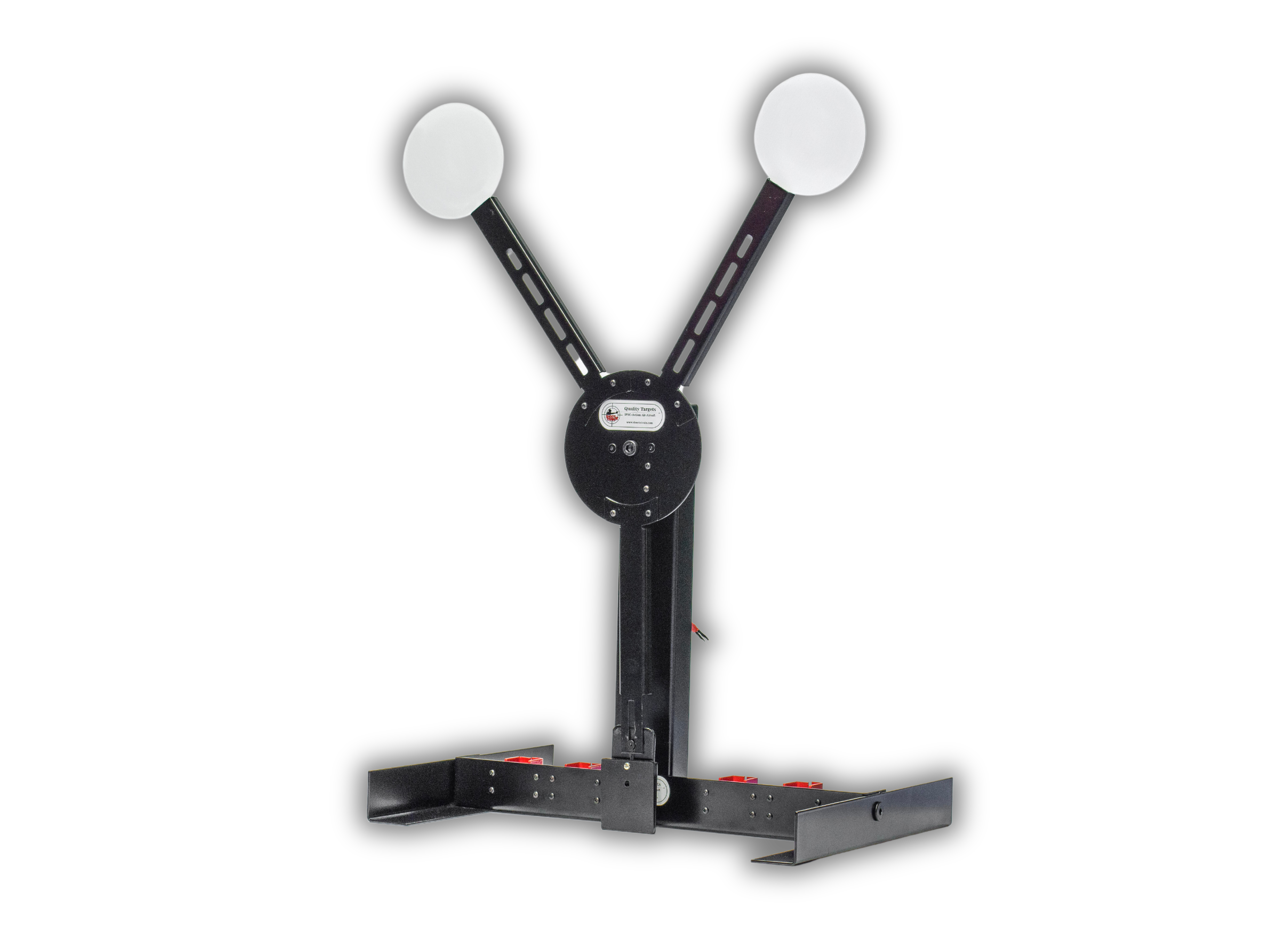
Moving targets, on the other hand, present a vibrant obstacle. These can consist of poppers, swingers, or bobbers that move horizontally, vertically, or in unpredictable patterns. Shooters must rapidly examine the target's motion and change their objective accordingly.
Choosing Quality IPSC Targets
To effectively train for shooting moving targets in IPSC competitors, it is necessary to purchase high-quality IPSC targets. Shoot N' Train uses a range of durable and sensible IPSC cardboard targets developed particularly for training purposes. These targets offer shooters with a reasonable representation of the difficulties they will experience on the competitors field.

Developing Speed and Precision Techniques
Mastering Sight Picture-- Accomplishing a constant sight photo is crucial when engaging moving targets. This involves aligning the front and rear sights correctly and focusing on the front sight for optimal accuracy.
Tracking the Target-- To efficiently engage moving targets, shooters need to learn to track the target with their eyes while keeping appropriate sight positioning. This permits faster target acquisition and engagement.
Lead and Timing-- Predicting where the target will be when the bullet reaches it is crucial to striking moving targets accurately. Establishing a sense of lead and timing features practice and experience.
Dynamic Shooting Positions-- Moving targets typically require shooters to engage them from vibrant shooting positions, such as while moving, pivoting, or transitioning between several targets. Practicing these positions throughout training will help develop muscle memory and improve total performance.
Trigger Control-- Keeping appropriate trigger control is important for accurate shots on moving targets. Shooters must focus on smooth, regulated trigger presses without disrupting their sight picture.
Shot Calling-- Developing the ability to call your shots precisely is essential in IPSC competitions. This involves knowing where your shots are landing as you engage moving targets, permitting you to make adjustments if necessary.

Equipment Considerations for IPSC Moving Targets
When it concerns shooting moving targets in IPSC competitors, having the ideal equipment can considerably impact your performance. Here are some considerations:
Firearm Selection-- Pick a gun that provides good ergonomics, recoil management, and reliability. Select a pistol chambered in a caliber appropriate for IPSC competitions.
Optics or Iron Sights-- While iron sights are typically used in IPSC competitions, some shooters prefer red dot sights or holographic optics for faster target acquisition on moving targets.
Magazine Capacity-- Guarantee your firearm has a sufficient publication capability to decrease reloads throughout phases with several moving targets.
Holster and Magazine Pouches-- Invest in a quality holster and publication pouches that allow for fast and protected access to your gun and extra magazines.
Frequently Asked Questions (FAQs)
Q: What is the very best way to practice shooting moving targets?
A: The very best method to practice shooting moving targets is through dedicated training sessions that replicate realistic IPSC circumstances. Incorporate a variety of moving target types, distances, and shooting positions into your training routine.
Q: How can I enhance my precision on moving targets?
A: Improving precision on moving targets needs a mix of proper technique, practice, and experience. Focus on mastering sight image, tracking the target with your eyes, and developing lead and timing skills.
Q: Must I utilize various ammo for shooting moving targets?
A: It is recommended to use ammunition with a lighter bullet weight when engaging moving targets. Lighter bullets tend to have less recoil, permitting quicker follow-up shots and better target tracking.
Q: Can dry-fire practice assist with shooting moving targets?
A: Yes, dry-fire practice can be helpful for improving shooting abilities on moving targets. Concentrate on practicing sight alignment, trigger buy ipsc cardboard targets control, and target tracking without live ammunition.
Q: Exist any particular drills I can integrate into my training for shooting moving targets?
A: Yes, there are different drills you can include into your training. One popular drill is the "Swinger Drill," where you engage a swinging target while transitioning in between numerous fixed targets.
Q: How important is mental preparation when shooting moving targets?
A: Psychological preparation plays a substantial function in shooting moving targets. Establishing focus, concentration, and the ability to rapidly adapt to changing situations will greatly enhance your performance.
Conclusion
Conquering moving targets in IPSC competitors requires sophisticated methods, precise methods, quality devices, and devoted training. By comprehending the various types of IPSC targets, mastering speed and precision techniques, picking quality IPSC targets, and buying the ideal devices, shooters can improve their performance and elevate their abilities to new heights. With practice, perseverance, and a focused state of mind, you can dominate the difficulties presented by moving targets and excel in IPSC competitors. So prepare, train hard, and go for success in your next IPSC match!